What Drives the Price of Designer Rings?
When you compare a designer ring with an unbranded ring of similar appearance, the price difference can be striking. The short answer is that designer ring prices reflect a brand premium layered on top of the raw material and labor costs. That premium pays for the name, the design heritage, the marketing, and the exclusivity. But the difference goes deeper than a simple logo markup. Understanding what you are paying for can help you decide whether a designer ring is worth the investment for your particular needs.
Designer rings typically start with the same basic components as any other fine ring: precious metal, gemstones, and skilled craftsmanship. A ring from a luxury house might use the same gold weight and similar diamond quality as an unbranded piece from a reputable jeweler. Yet the price can be several times higher. The gap comes from what the brand adds beyond the physical materials. That added value includes design originality, brand heritage, marketing costs, and the perceived status that the name carries.
The brand premium and what it covers
The brand premium is the extra amount you pay for the name on the inside of the shank. This premium covers several things. First, the brand invests heavily in design. A designer house employs creative teams to develop unique collections, often drawing on decades of archive sketches and signature motifs. That design work is a cost that must be recovered across the pieces sold. Second, the brand spends on marketing, advertising, and the retail experience. Luxury showrooms, trained sales staff, glossy campaigns, and celebrity endorsements all add to the overhead. Third, the brand carries a reputation for quality and consistency. When you buy a designer ring, you trust that the materials and craftsmanship meet a certain standard. That trust has been built over years, and it commands a price.
Unbranded rings, on the other hand, often come from wholesalers or smaller workshops that do not carry the same overhead. They can offer similar gold weight and diamond quality at a lower price because they do not spend on brand building. Their profit margin per piece is smaller, and they compete on value rather than cachet.
Gold weight and diamond quality: the tangible costs
To understand designer ring prices, it helps to break down the tangible elements. The gold weight of a ring is the same whether it comes from a luxury house or a local jeweler. A gram of 18k gold costs the same in either case. The diamond quality, graded by the four Cs (carat, cut, color, clarity), also tracks the same market pricing. A one-carat diamond of a certain grade has a wholesale price that is independent of the setting it goes into. So the material cost for a designer ring and an unbranded ring can be very close, especially if the diamonds are similar.
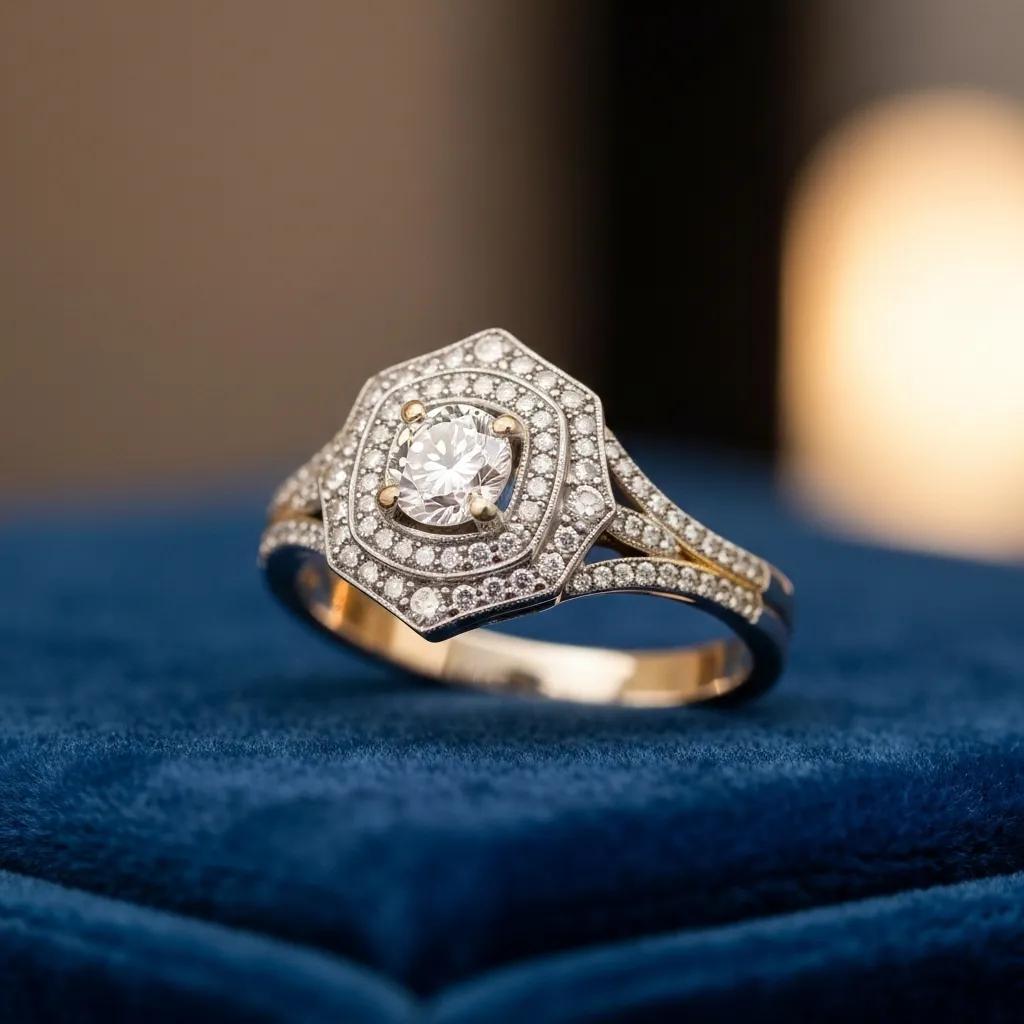
Where the difference appears is in the cut and setting of the stones. Designer houses often use proprietary cuts or unique setting techniques that require more labor or waste more rough diamond. That adds to the manufacturing cost. But for standard round brilliants set in a classic four-prong setting, the labor cost difference is usually modest. The bulk of the price gap remains in the brand premium.
Condition grade and the resale market
One practical angle to consider is the resale value. Designer rings tend to hold their value better than unbranded ones, but the resale market works differently from the retail market. When you sell a designer ring, the buyer is paying partly for the brand name. A used Cartier or Tiffany ring will fetch a higher price than a similar unbranded ring, assuming the same condition grade and diamond quality. However, the resale price is still far below the original retail price. The brand premium paid at the original sale is largely lost the moment you walk out of the store. On the resale market, the premium shrinks, and the ring is valued more on its materials and condition grade.
For someone who plans to wear the ring for decades and pass it down, the resale value may not matter much. But for a buyer who considers the ring a potential asset, the math is different. The appraisal value for insurance purposes will reflect the retail replacement cost, which includes the brand premium. So you insure for the higher number, but you cannot easily sell for that number.
Market demand and exclusivity
Market demand plays a big role in designer ring prices. Limited-edition collections, collaborations, or pieces from a famous designer can command prices that far exceed the sum of their parts. The scarcity created by the brand drives demand. For unbranded rings, demand is more diffuse, and the price is set by competition and material costs. There is no scarcity premium unless the ring uses a rare gem or an unusual design.
Designer brands also control their distribution tightly. They do not allow discounting the way a mass-market jeweler might. The price you see in the boutique is the price everywhere, which reinforces the perception of value. Unbranded rings are sold through many channels, and prices can vary widely. The same ring might be half the price on a wholesale site compared to a mall store.
How to weigh your options
If you are shopping for a ring and wondering whether the designer name is worth it, consider your priorities. If the design is unique and you feel a strong connection to the brand's aesthetic, the premium may be justified. If you care about the ring as a status symbol or as part of a larger collection, the brand name adds intangible value. But if your goal is to get the best materials and craftsmanship for your budget, an unbranded ring from a reputable jeweler can deliver the same gold weight and diamond quality at a lower price.
One way to make an informed decision is to research the specific models you like. Compare the gold weight and diamond quality of a designer ring with similar unbranded pieces. Sites like diamond-rings-info.com offer guides to understanding what goes into the price of a ring, from the metal content to the cut quality. That knowledge helps you see where the money goes. You can then decide whether the brand premium is something you want to pay for.
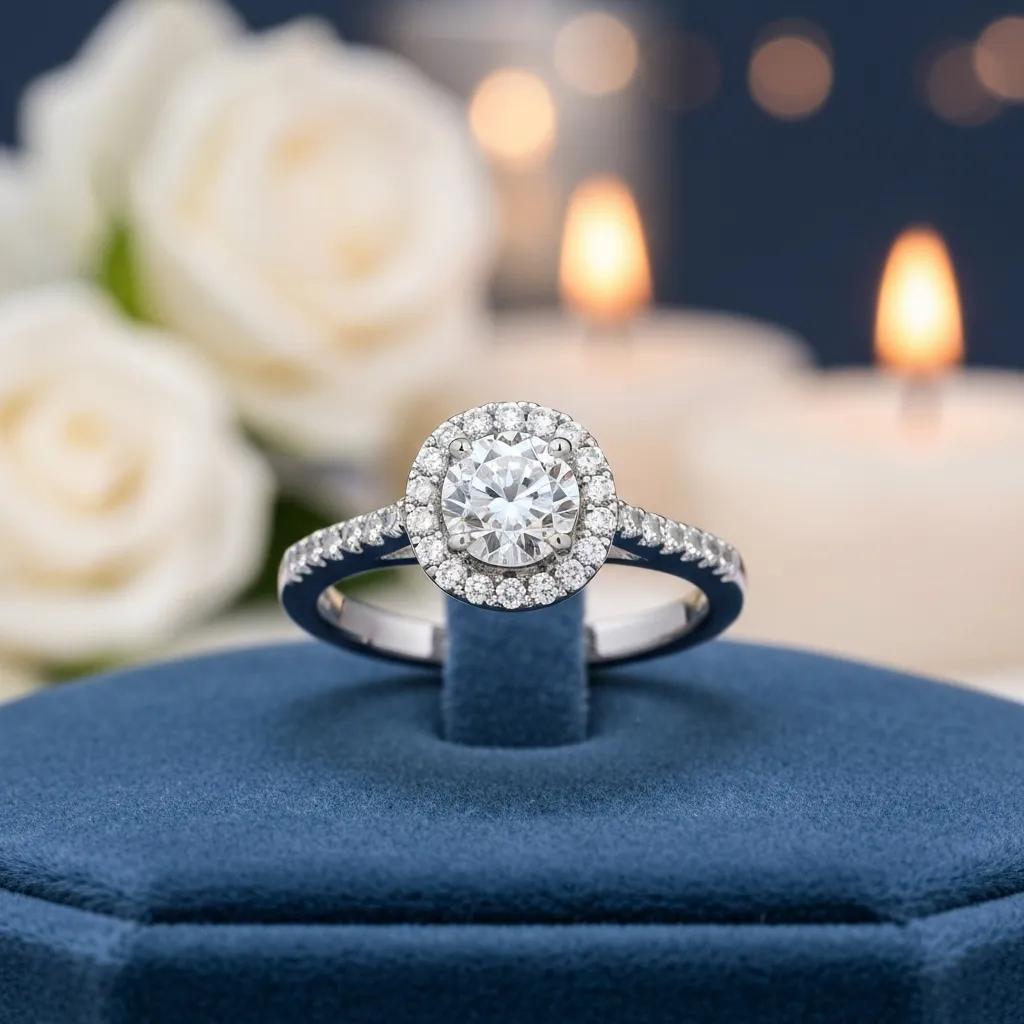
Another factor is the after-sales service. Designer brands often offer repairs, resizing, and cleaning services that are included for a period. Unbranded jewelers may charge for these separately. That service adds to the overall cost of ownership. If you plan to wear the ring daily, the assurance of free maintenance might be worth some of the premium.
Finally, remember that the resale market is not kind to the original buyer. If you ever plan to sell, expect to recoup only the material value plus a small brand premium, not the full retail price. That is true for most luxury goods, not just rings. So buy a designer ring because you love it, not as an investment. For pure investment, diamonds and gold are better bought as commodities, not as branded jewelry.
In summary, designer ring prices are higher because of the brand premium, which covers design, marketing, exclusivity, and reputation. The tangible materials like gold weight and diamond quality may be similar to unbranded rings, but the intangibles add a significant cost. The decision comes down to what you value: the name and the experience, or the materials and the price. For practical buyers, resources such as diamond-rings-info.com can help clarify the trade-offs and ensure you know exactly what you are paying for.